- 11001 N. Freeway Fort Worth, TX 76177
-
Monday – Friday: 6:30AM – 6:30PM | SAT: 7:00AM – 3:00PM | SUN: Closed
Every September through November, North Texas drivers battle an invisible enemy: ragweed pollen. Fort Worth sits in one of America’s worst allergy regions, and if you’re sneezing the moment you start your Hyundai or that new car smell has turned musty, your cabin air filter needs immediate replacement. Most Hyundai owners don’t realize this critical filter isn’t covered by complimentary maintenance. At Alliance Hyundai Service, the team understands how North Texas allergies impact your driving and is here to help you breathe easier.
North Texas isn’t just bad for allergies—Dallas consistently ranks among America’s worst cities for allergy sufferers according to the Asthma and Allergy Foundation. The culprit? Ragweed releases pollen from late August through the first freeze in mid-November. A single plant releases over one billion pollen grains that travel hundreds of miles on Texas wind. When you’re driving I-35W through Fort Worth or commuting to Dallas, you’re navigating through allergen clouds denser than almost anywhere else in America. Your Hyundai’s cabin becomes your safe haven, but only if your air filter actively works. When clogged with ragweed and dust, it stops protecting entirely—suddenly pumping unfiltered outside air directly through your vents.
Modern Hyundais like the Palisade, Ioniq 5, Santa Fe, and Tucson are sophisticated technology platforms featuring advanced HVAC systems, touchscreens, and sensitive electronics. Dust bypassing a clogged filter doesn’t just affect lungs—it infiltrates ventilation systems, coating components and leading to reduced efficiency, unpleasant odors, and premature HVAC failure. The filter protects your entire interior ecosystem. Proper airflow keeps touchscreens responsive, AC efficient, and that premium interior fresh instead of developing musty smells signaling mold growth. This matters especially in Fort Worth’s climate where mid-90s temperatures and humidity create perfect mold conditions in dirty filters. Replacing your genuine Hyundai cabin air filter protects the substantial investment in technology that makes daily drives enjoyable and maintains your Hyundai’s value.
If you purchased a new Hyundai after February 1, 2020, you’ve heard about Complimentary Maintenance covering factory-scheduled service for 3 years or 36,000 miles. This valuable program includes oil changes, oil filter replacement, tire rotations, and multi-point inspections, saving owners hundreds. However, cabin air filters are explicitly excluded. According to official Hyundai documentation, “Normal wear and tear items such as engine and air filters, cabin filter, wiper blades, brake pads, etc. are not covered.” Cabin filters are consumable “wear items” needing replacement based on driving conditions. In North Texas, where pollen spikes twice yearly and construction dust constantly fills the air, your filter works considerably harder than in moderate climates. While standard recommendations suggest 12-15 months, Fort Worth’s heavy pollen often requires 6-month changes—before ragweed season in August and spring pollen in February. Don’t skip this essential service because it’s not free.
Your Hyundai signals when the cabin air filter needs replacement through three unmistakable warning signs.
Reduced Airflow: You turn your AC or heater to maximum, but airflow feels weak. Your clogged filter creates a blockage restricting air movement. Your HVAC motor works significantly harder to push air through trapped pollen and dust, constantly running at maximum effort for minimal results. This extra strain increases fuel consumption and can cause premature blower motor failure, turning an affordable filter into expensive repairs.
Persistent Odors: If your cabin smells musty when you run ventilation, that’s your clogged filter broadcasting distress. Trapped moisture and organic material create ideal conditions for mold growth in your filter and ventilation system. Every time you run AC or heat, you’re circulating air through contaminated media, spreading odor-causing microorganisms. Air freshener treats symptoms, not causes. Replace the filter to restore fresh cabin environment.
Increased Allergy Symptoms: If you sneeze within seconds of entering your Hyundai, or eyes water immediately when you start the engine, your filter has stopped protecting you. Instead of filtering ragweed pollen and allergens, it’s so saturated that particles bypass entirely. For the 75% with plant allergies sensitive to ragweed, every Fort Worth drive becomes miserable. Scheduling replacement provides immediate relief.
When replacing your cabin air filter, you’ll choose between genuine Hyundai parts or aftermarket alternatives. Aftermarket filters might seem cheaper, but represent false economy. Genuine Hyundai filters are engineered specifically for your model, ensuring precise fit within the housing. This matters tremendously—even small gaps let unfiltered air bypass the filter entirely, rendering protection ineffective. Aftermarket filters use generic dimensions for multiple vehicles, rarely matching perfectly. Those gaps mean ragweed pollen flows past your “new” filter, continuing to trigger allergies as if you’d never replaced it. Genuine Hyundai filters use superior filtration media tested against particulates common in your driving environment, ensuring maximum effectiveness. The modest extra cost delivers measurably better air quality, longer HVAC life, and real protection against brutal North Texas allergy season.
Fort Worth’s environment creates uniquely demanding conditions for your Hyundai’s cabin air filter. The region experiences overlapping allergy seasons nearly year-round—cedar pollen in winter, oak in spring, grass during summer, and ragweed dominating fall. Add construction dust from rapid Dallas-Fort Worth growth, highway exhaust from I-35W, and fine dust from frequent dry spells, and your filter works considerably harder than in moderate climates. Fort Worth’s hot, humid summers create perfect breeding conditions for mold within dirty filters, while temperature swings mean your HVAC system cycles constantly. This is why standard 12-month intervals don’t provide adequate protection here. Check current service specials for savings on cabin air filter replacement.
Delaying cabin air filter replacement creates mounting consequences for both your wallet and well-being. A clogged filter forces your HVAC system to run constantly at maximum effort, drawing extra electrical power and straining the blower motor. While the immediate impact seems negligible, over months this extra stress can lead to premature component failure—potentially costing far more than the money “saved” by skipping replacement. Extended exposure to unfiltered allergens can trigger increasingly severe reactions, worsen asthma, and lead to chronic sinus issues requiring medical treatment far costlier than preventive maintenance. For families with children or elderly passengers, these risks multiply substantially. Driving while experiencing severe symptoms—sneezing, watery eyes, breathing difficulty—creates legitimate safety hazards that compromise your reaction time in traffic around Fort Worth and Dallas. Timely cabin air filter replacement isn’t optional; it’s essential for your vehicle’s longevity and your family’s health on North Texas roads.
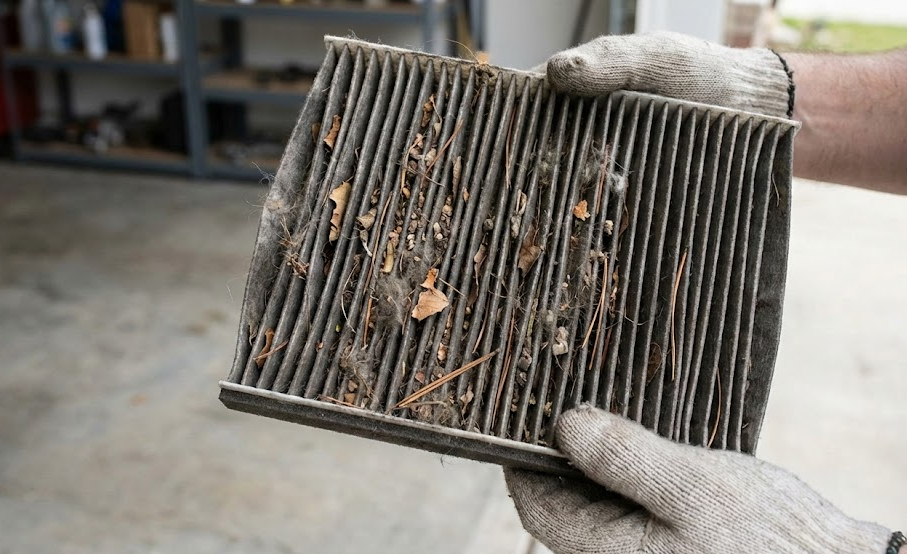
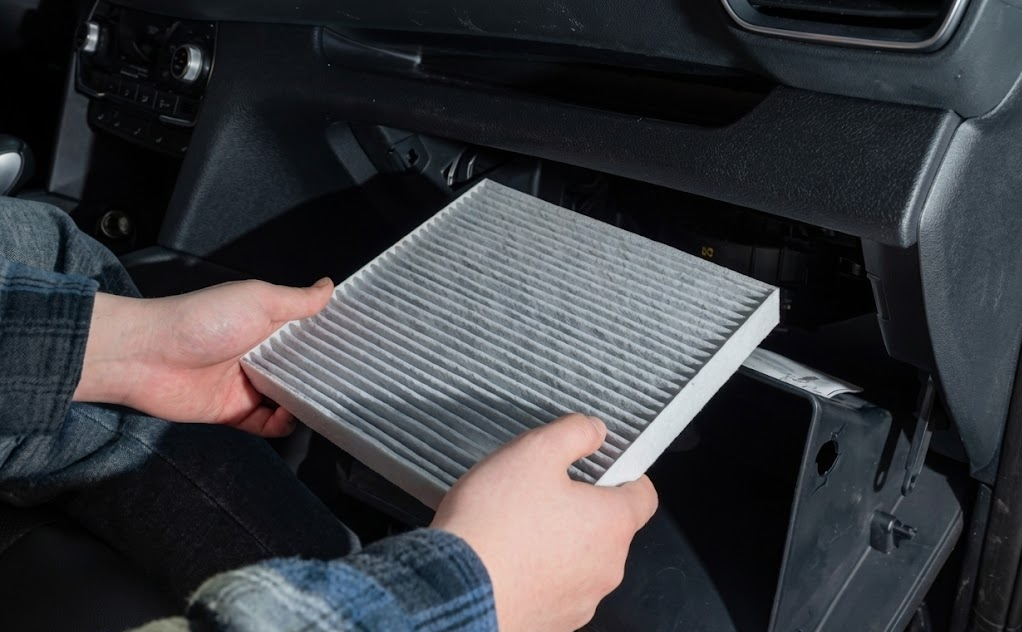
Replacing your Hyundai’s cabin air filter at Alliance Hyundai Service is remarkably straightforward, typically taking less than 30 minutes. Your technician locates the filter—usually behind the glove compartment—removes the access panel, and slides out the old filter. This often reveals just how much debris has accumulated, with visible packing of dirt, pollen, leaves, and other particles. The housing is inspected and cleaned before the new genuine Hyundai filter slides into place, properly oriented to ensure no gaps allow unfiltered air to bypass. After testing your HVAC system to confirm normal airflow, most drivers immediately notice the difference—stronger airflow, fresher-smelling air, and often immediate reduction in allergy symptoms during the drive home through Fort Worth.
Beyond filter replacement, North Texas drivers can maximize cabin air quality with simple habits. During peak ragweed season in September and October, keep windows closed and use recirculation mode, preventing outside pollen from entering entirely. This makes a significant difference through high-pollen areas around Fort Worth and Denton County. Consider periodic HVAC evaporator and duct cleaning, especially after driving with a clogged filter, since mold colonizes the entire system. Regular interior vacuuming removes dust and allergens before they enter your ventilation system. When parking outside during allergy season, position your vehicle to minimize pollen accumulation where it can get drawn into air intakes. These habits, combined with regular filter replacement, maintain exceptional air quality despite North Texas’s challenging conditions.
| Filter Type | Pollen Filtration | Odor Control | Fit Guarantee | Best For |
|---|---|---|---|---|
| Genuine Hyundai Standard | Excellent – traps pollen, dust, and airborne particulates | Good – mechanical filtration only | Perfect fit designed for your specific model | North Texas drivers needing reliable allergy protection |
| Genuine Hyundai Premium (Activated Carbon) | Excellent – same particle filtration as standard | Superior – activated carbon layer absorbs odors and gases | Perfect fit designed for your specific model | Drivers concerned about odors from traffic, industrial areas |
| Generic Aftermarket | Variable – may leave gaps allowing bypass | Basic – minimal odor control | Universal fit often creates air gaps | Budget-conscious buyers willing to accept reduced protection |
| HEPA-Rated Aftermarket | Potentially excellent if properly sealed | Varies by brand | May not fit Hyundai housing precisely | Severe allergy sufferers willing to verify correct installation |
Q: Is the cabin air filter covered under my Hyundai Complimentary Maintenance?
A: No, cabin air filters are not covered under Hyundai Complimentary Maintenance. While oil changes and tire rotations are covered for 3 years or 36,000 miles on new Hyundais purchased or leased on or after February 1, 2020, cabin air filters are considered “wear items” and are the owner’s responsibility to maintain.
Q: How often should I change my cabin air filter in North Texas?
A: While the standard recommendation is every 12 months or 15,000 miles, driving in Fort Worth’s heavy pollen and dust conditions often requires changing it every 6 months. It’s especially important to replace your filter before ragweed season starts in August and before spring pollen season begins in February.
Q: Can a dirty cabin air filter damage my car’s AC?
A: Yes, absolutely. A clogged filter restricts airflow, forcing your HVAC motor to work much harder than designed. This increased strain can lead to premature failure of the blower motor and other ventilation components, turning an affordable filter replacement into expensive repairs that could have been easily prevented.
Q: Will changing my cabin air filter help with the musty smell in my car?
A: In most cases, yes. That musty odor typically comes from mold and mildew growing on a dirty, moist cabin air filter. Replacing it with a fresh genuine Hyundai filter eliminates the source of the smell. For severe cases where mold has spread into the duct system, additional HVAC cleaning might be necessary.
Q: Why are genuine Hyundai filters better than aftermarket options?
A: Genuine Hyundai filters are engineered specifically for your vehicle’s exact model, ensuring a perfect seal that prevents unfiltered air from bypassing the filter. Aftermarket filters often use generic dimensions that create small gaps, allowing North Texas ragweed pollen to flow right past the filter and into your cabin.
Living in Fort Worth means accepting that North Texas will challenge your respiratory system roughly nine months out of every year, but your daily commute doesn’t have to add to that burden. The certified technicians at Alliance Hyundai Service have the expertise, genuine Hyundai parts, and specialized knowledge to restore your cabin air quality quickly and affordably. Whether you’re driving a brand-new Palisade with all the latest tech or a reliable Elantra that’s been serving your family for years, replacing your cabin air filter makes an immediate, noticeable difference in your comfort and health behind the wheel.
Fort Worth’s ragweed season peaks in September and October when pollen counts reach their absolute worst, but waiting until you’re already miserable only prolongs your suffering and potentially allows damage to your HVAC system to accumulate. The service takes less than half an hour, costs considerably less than repeatedly buying over-the-counter allergy medication, and delivers benefits you’ll feel on every single drive through Dallas-Fort Worth. Your Hyundai was designed to protect you from the elements outside, but that protection only works when your cabin air filter is clean and functioning properly.
Click here to schedule your cabin air filter replacement and start breathing easier today!
Or visit us at 11001 N. Freeway Fort Worth, TX 76177 and let our experienced technicians restore your cabin air quality so you can enjoy your drives through North Texas without the constant sneezing, watery eyes, and discomfort that ragweed season brings.